Sun, Rain, and Humidity: The Best Months for Barbados Travel
The Barbados Climate Paradox
A Caribbean holiday is rarely as simple as packing a swimsuit and assuming the sky will remain a flawless, uninterrupted blue for a fortnight. The weather across this island dictates every aspect of your experience, from the price of your oceanfront suite to the precise mood at the Friday night fish fry. You must plan with intention. Understanding the shifting atmospheric currents of the West Indies will save you from spending your holiday sheltering from torrential downpours in a hotel lobby.
Barbados sits just outside the principal hurricane belt. This geographical stroke of luck shields it from the catastrophic systems that frequently batter its northern neighbours. The island endures distinct wet and dry phases that drastically alter the landscape. To secure the kind of weather you are looking for, you need to understand the seasonal rhythms.
The Seasonal Breakdown
If you ask a meteorologist what the hottest month in Barbados is, they will point straight to August and September. If you ask a travel agent what months are best to avoid, they will likely name the exact same two. The truth requires a slightly more nuanced reading of the data.
The Sweet Spot (December to April)
This is the peak tourist window. The air is remarkably dry, the skies remain reliably clear, and consistent trade winds sweep across the southern coast to temper the heat. Expect average daytime temperatures hovering comfortably around 28°C during teh peak weeks. This absolute atmospheric perfection commands a premium. Flight prices soar, resorts reach maximum capacity, and you will need to organise your dining reservations well in advance.
The Shoulder Season (May and June)
May and June represent a transitional phase. The dense winter crowds dissipate. Flight prices drop. The weather remains mostly dry, though the humidity begins its slow, steady climb. This is arguably the most strategic time to visit the island. You secure lower rates on accommodation without risking the severe storms that arrive later in the year. The Friday night atmosphere at Oistins during May retains its energy without the suffocating crush of peak-season tourists fighting for a single plastic chair.
The Hurricane Risk (July to November)
Travellers frequently ask what months are best to avoid in Barbados. September and October carry the highest statistical probability of heavy rainfall and storm activity. The island transforms. The arid, brown fields of the dry season explode into a brilliant, dense green. The air hangs thick and heavy, and daytime temperatures routinely push past 31°C. The absence of the cooling trade winds makes the heat feel significantly more oppressive. You will sweat simply standing still.
For those travelling during the late summer, checking the official portal of the Barbados Meteorological Services is a mandatory daily ritual. Before confirming any flights between August and October, review the latest regional travel advisories provided by the UK Foreign, Commonwealth & Development Office. Purchasing comprehensive travel insurance during this window is highly advised.
| Season | Temp Range | Rainfall | Atmosphere |
|---|---|---|---|
| Peak (Dec-Apr) | 24°C – 29°C | Low | Dry and crowded |
| Shoulder (May-Jun) | 25°C – 30°C | Moderate | Value-focused |
| Hurricane Risk (Jul-Nov) | 26°C – 31°C | High | Quiet and humid |
Practical Planning: Humidity and Gear
Understanding the Rainfall
A forecast predicting rain in Barbados rarely means a complete washout. Tropical showers typically manifest as sudden, intense bursts that flood the gutters for twenty minutes before vanishing entirely. The equatorial sun quickly bakes the pavement dry. The real challenge during the wetter months is the humidity, which can make a standard 30°C afternoon feel significantly heavier.
Packing Essentials
Do not underestimate the sheer intensity of the Caribbean sun, even on overcast days. A high-SPF sunscreen, a wide-brimmed hat, and a compact travel umbrella are non-negotiable additions to your luggage. Review the unofficial dress code in our visitor guidelines to ensure your footwear can handle potentially slick, wet pavement. The Barbados Tourism Marketing Inc. advises visitors to pack lightweight, breathable linen rather than synthetic fabrics.
The Atlantic Influence and Sea Conditions
Weather in Barbados is not merely a matter of sky conditions. The atmospheric pressure directly controls the ocean. During the calm winter months, the waters off the southern and southwestern coasts lay relatively flat. This is the optimal time to book marine excursions. The Barbados Turtle and Shipwreck Snorkel Adventure in Carlisle Bay operates flawlessly under these predictable conditions, offering crystal-clear visibility beneath the surface.
As the hurricane season approaches, the Atlantic swell intensifies. The water grows murky as the incoming tides churn up sand from the seabed. Swimming at beaches like Enterprise—just a short walk from the fish fry—requires significantly more caution. Red flags fly frequently along the coast to warn visitors of dangerous undercurrents. If you are travelling purely for underwater photography or calm morning swims, the summer months will likely disappoint you.
Weather and the Oistins Experience
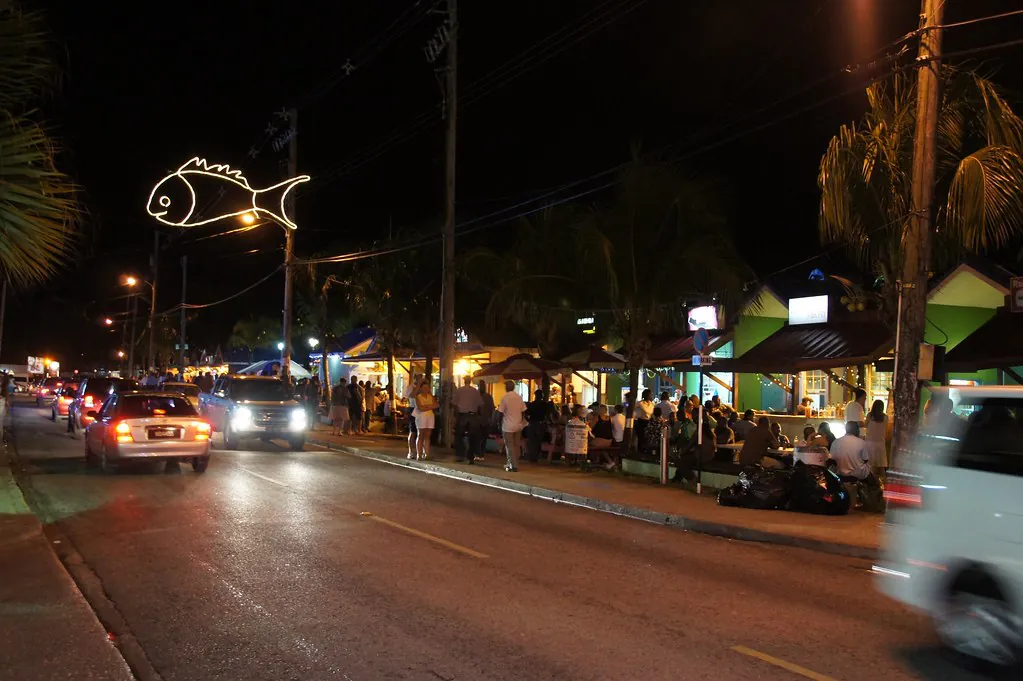
Oistins Fish Fry is entirely open-air. When you ask how the Oistins fish fry works, the answer is communal, chaotic, and completely exposed to the elements. You sit shoulder-to-shoulder with strangers at long wooden tables, eating fresh grilled mahi-mahi under the stars. The weather heavily dictates the mood.
If you visit during an August downpour, you will find patrons huddled under the tin roofs of stalls like Pat’s Place or Uncle George’s, waiting out the squall. Service might pause momentarily as the cooks protect the massive wood-fired grills from the rain. The sharp tang of woodsmoke mixes with the petrichor of hot, wet asphalt. Despite the occasional rainstorm, the experience remains entirely worth it. During the dry season, the cooling Atlantic winds sweep through the Christ Church coast, making it incredibly comfortable to sit outside for hours. If you want to know exactly when to go to Oistins to avoid the worst of the crowds while securing a dry seat, aim for a clear Thursday evening in early May.
Rain or shine, the culinary output remains exceptional. When deciding what to get at Oistins fish fry, the classic order is a plate of grilled flying fish served alongside heavy portions of macaroni pie and sweet potato. These massive, carbohydrate-heavy meals are perfect for soaking up the local rum, but they sit heavy in the stomach during intensely humid September evenings. Do you need cash for Oistins Fish Fry? Yes. Card machines are notoriously unreliable in the open air, and a sudden downpour will almost certainly knock out the vendor’s Wi-Fi connection. Bring physical Bajan dollars to avoid frustration.
For travellers who want to bypass the logistical headaches of securing a dry table on a potentially damp evening, reserving a spot through the Oistins Fish Fry Night Tour with Hotel Pickup & Reserved Seating is a highly practical strategy.
A forecast predicting rain in Barbados rarely means a complete washout. Tropical showers manifest as intense, violent bursts that flood the gutters for twenty minutes before vanishing entirely.
Safety and Seasonal Budgeting
Correlating your travel dates with your budget is an essential part of Caribbean travel planning. High season demands high prices. A meal in Barbados can be exceptionally expensive if you are dining at west coast establishments in January, but local spots maintain steady pricing year-round. You can discover significant savings—often up to forty percent on flights and accommodation—if you are willing to risk the shoulder season showers in June or November.
Luxury resorts on the Platinum Coast slash their nightly rates by half during September. You might rent an expansive villa for the price of a standard hotel room. You pay for this financial advantage in sweat. The stagnant air traps the heat against the island, making outdoor exertion exhausting. If you plan to spend your days hiking the rugged eastern coast or exploring the interior, the winter months are the only logical choice.
Extreme weather does pose occasional risks. Navigating flooded roads or sudden power outages requires a degree of common sense. Review our comprehensive safety guidelines for Barbados visitors to understand how to handle these minor disruptions. Remember that while the seasons change, the island’s economic foundations remain static. You will always benefit from understanding local exchange rates, so take a moment to familiarise yourself with our guide on managing Bajan Dollars and tipping before you land.
While the hurricane season officially runs from June to November, Barbados’ southern location often spares it from the worst of the Atlantic storms. Always consult official meteorological data rather than relying on standard weather apps.
The perfect month to visit depends entirely on your tolerance for humidity and your desire for a bargain. Choose wisely. Pack appropriately. The fish fry will be waiting regardless of the forecast.